TL;DR
- Reuters editor built AI tutoring SaaS with 24 paying subscribers — no coding required
- BlueX USB dongle automates phone tasks using accessibility features — no app permissions needed
- Both remove technical barriers that previously required developer skills
- Best for: Non-technical people who want to build or automate but lack coding knowledge
- Key lesson: AI is democratizing technology creation — the only barrier left is imagination
AI is removing the technical barriers that used to separate builders from everyone else.
Two recent stories show how: a journalist building revenue-generating software without code, and a USB dongle automating phones without app permissions. What used to require developer expertise now requires clear thinking and the right tools.
The Reuters Editor Who Built a $2,400/Year SaaS
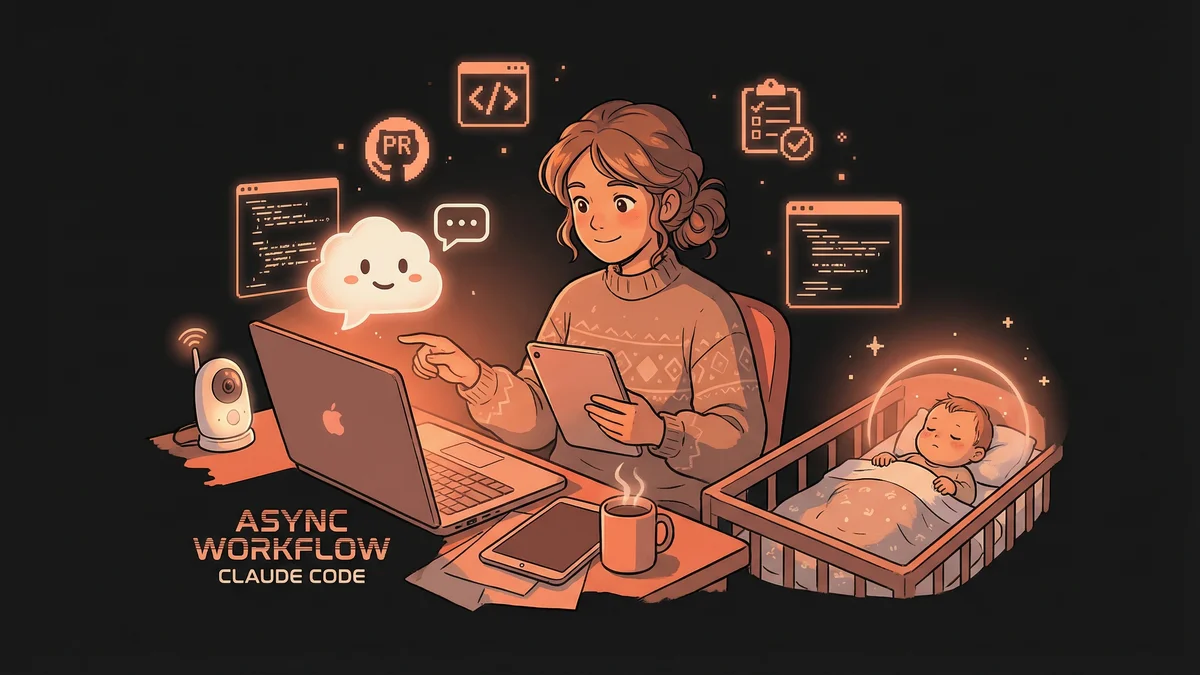
Shekib Ahmed is a Reuters editor and AI journalist. She’s also a mother to an 11-year-old with dyslexia who was losing confidence in school.
She couldn’t find adequate tutoring tools for dyslexic learners, and she couldn’t afford to hire developers to build what she needed. So she built it herself using ChatGPT’s custom GPT builder — a platform that lets you create AI-powered applications using natural language instead of code.
Her platform now has 24 paying subscribers. At typical education SaaS pricing ($8-10/month), that’s roughly $2,400-2,880/year in revenue. Not a unicorn, but proof that non-technical people can build real products that solve real problems and generate real income.
Ahmed calls her approach “vibe coding” — describing what you want in natural language and letting AI handle the technical implementation. No Python. No JavaScript. No developer team. Just a clear problem and clear communication with AI tools.
The pattern: Personal pain + AI capability = paid product, even if you’ve never written code.
The USB Dongle That Controls Your Phone
Pete James needed to process a clothing return and file Delaware LLC taxes. Both tasks required navigating multiple apps, filling forms, and juggling information across different systems.
Instead of spending 30 minutes tapping through apps, he plugged in BlueX — a Y Combinator-backed USB dongle that uses AI to control your phone visually. Not through APIs. Not through app permissions. Through your phone’s existing accessibility features.
For the clothing return: BlueX found the order in his emails, opened the retailer’s website, completed the return steps, generated a USPS QR code, and screenshot it for the post office.
For the Delaware tax filing: It searched Google Drive for his company ID, navigated the Delaware government website, solved a CAPTCHA, filled the complex form, switched to his banking app for card details, completed payment, and saved confirmation to Drive.
The entire time, James watched his phone work autonomously. No VPS setup. No API configuration. Just plug in, describe what you need, and watch it happen.
The pattern: Complex cross-app workflows become one-sentence requests — if you remove the permission barriers.
What They Share
Both stories are about removing gatekeepers. Ahmed didn’t need permission from developers to build software. James didn’t need permission from app makers to automate his phone.
AI isn’t just making technical people more productive. It’s making non-technical people capable of things that used to require technical expertise. The editor becomes the SaaS founder. The business owner becomes the automation engineer.
The only remaining barrier is knowing what you want to build. And if you can’t code, that might be your advantage — you’re solving real problems, not interesting technical ones.