TL;DR
- A diner owner generated $5,200 in extra revenue with AI-generated marketing campaigns
- Setup took 15 minutes; ongoing maintenance is 10-15 minutes per week
- Used Toast POS AI Marketing Assistant that analyzes actual business data
- Best for: restaurant owners who know they should market but never find time
- Key lesson: AI provides structure and data insights; you add personality and brand voice
A restaurateur went from dreading marketing to generating $5,200 in three weeks using AI that took just 15 minutes to set up.
Kostas ran three family diners with his partners.
The food was solid. The staff was loyal. Customers left happy. But marketing? Marketing was the thing that never got done.
“I’d think about it on the drive home. Then the next day, I’m dealing with a broken dishwasher, a no-show cook, supplier issues. Marketing falls off the list.”
It wasn’t laziness. Kostas wore too many hats — hiring, scheduling, menu changes, vendor relationships. When everything is urgent, marketing becomes permanently “later.”
The Marketing Guilt Spiral
Every small business owner knows the feeling.
You know you should post on social media. You know email newsletters work. You know consistent marketing builds loyalty.
But knowing isn’t doing.
Kostas tried. He’d occasionally post a photo of the daily special. Once, he spent an entire Sunday afternoon writing an email campaign. Then months passed before the next one.
“My competitors had full social media feeds, email lists, special events. We had good food and hope.”
The inconsistency bothered him most. Random bursts of effort followed by silence. Customers couldn’t rely on hearing from the diners, so they forgot about them between visits.
The AI Marketing Assistant
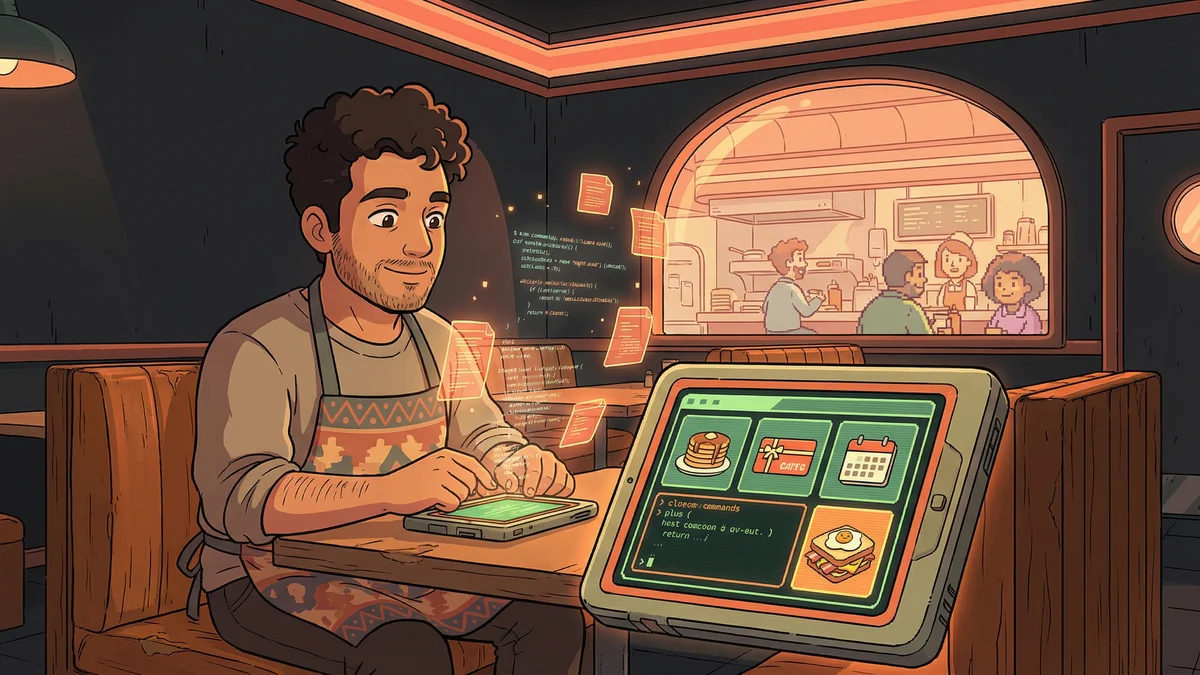
Kostas heard about Toast’s AI Marketing Assistant through his POS system. Toast already handled their orders, payments, and reporting. Now it offered to handle marketing too.
He was skeptical. “Another thing promising to save time but actually creates more work.”
He tried it anyway.
The process was almost comically simple. He told the AI he wanted to promote gift cards and fill slow Tuesday and Wednesday shifts. The AI looked at his sales data — not general restaurant data, but his actual numbers — and generated a complete campaign plan.
First campaign: 10% off gift card purchases. The AI knew gift cards drive immediate revenue and bring customers back later.
Second campaign: “Slow Day Special” — discounts specifically for midweek. The AI identified which days consistently underperformed.
Third campaign: A promotion featuring their Bacon, Egg, and Cheese sandwich. Kostas wouldn’t have thought of that. But the AI noticed the BEC was their top seller by a wide margin. Why not lean into what’s already working?
Total time to plan the entire month’s marketing: fifteen minutes.
“I kept waiting for the catch. Where’s the complexity? Where’s the part where I need to learn a new system?”
There wasn’t one.
The Numbers
Three weeks later, Kostas pulled the reports.
The gift card campaign generated roughly $2,000 in sales. People bought cards for upcoming birthdays, thank-yous, and “just because.” Each sale was money in the door now, with customers guaranteed to return later.
The midweek special started filling Tuesday and Wednesday lunch tables. Not packed, but noticeably busier. Staff noticed. They commented that the quiet shifts didn’t feel as dead anymore.
The BEC promotion performed well too. Featuring an existing favorite reminded people why they loved the diner in the first place.
Total extra revenue from three weeks of AI-generated campaigns: $5,200.
More important than the dollars: it took almost no time. The fifteen-minute setup created ongoing returns. The AI handled the actual content — subject lines, body copy, promotional language — and Kostas just reviewed and approved.
The Adjustment
Not everything was perfect out of the box.
“The AI wrote in a voice that was… corporate? Polished? Not how we talk.”
His diners had a neighborhood feel. The AI’s first drafts read like something from a chain restaurant’s marketing department.
So Kostas edited. He softened the language, added some personality, made it sound like something he’d actually say to a regular customer. The AI provided structure and ideas; he added soul.
This became his workflow: AI generates draft, Kostas adds personality, campaign goes out. Ten minutes per week maximum.
“I went from dreading marketing to almost enjoying it. Because I’m not staring at a blank page anymore. I’m improving something that already exists.”
The Insight Generator
What surprised Kostas most wasn’t the time savings. It was the ideas.
The BEC promotion was the AI’s suggestion. It noticed a pattern in his own data that he’d never consciously recognized. His menu had dozens of items, but the BEC dominated sales. The AI surfaced that insight and proposed acting on it.
“I know my business. I’ve been running these diners for years. But the AI saw something in the numbers I wasn’t seeing.”
This happened repeatedly. The AI would suggest promoting items that Kostas hadn’t considered featuring, or targeting times when foot traffic historically spiked. It wasn’t inventing data — it was reading his data better than he was reading it himself.
The Compound Effect
Marketing momentum builds on itself.
Before AI, Kostas’s sporadic efforts meant customers forgot about the diners between visits. After AI, regular communications kept the brand present in their minds.
Some customers commented: “I see you guys everywhere now.” They weren’t seeing more ads — they were just seeing consistent ones.
Regulars started bringing friends because they’d seen the email specials. Gift card purchasers returned to redeem them and often spent more than the card value. The midweek promotions became expected events that people planned around.
“Marketing isn’t just about individual campaigns. It’s about staying present. The AI let me actually do that consistently.”
The Freedom
Kostas still runs three diners. He still deals with equipment breakdowns, staffing issues, and supplier problems.
But marketing isn’t on his guilt list anymore.
“Every few weeks I spend ten, fifteen minutes with the AI. I tell it what I want to promote, review what it generates, tweak the voice, and send. That’s it.”
The diners have an active email presence now. Promotions go out on schedule. Special events get announced. The marketing “later” became marketing “now” — because now takes almost no time.
His competitors still have bigger teams and marketing budgets. But Kostas has something they don’t: AI that knows his data, understands his business patterns, and does the heavy lifting of campaign creation.
“I used to think marketing was for businesses bigger than mine. Now I think it’s just for businesses willing to try new tools.”