TL;DR
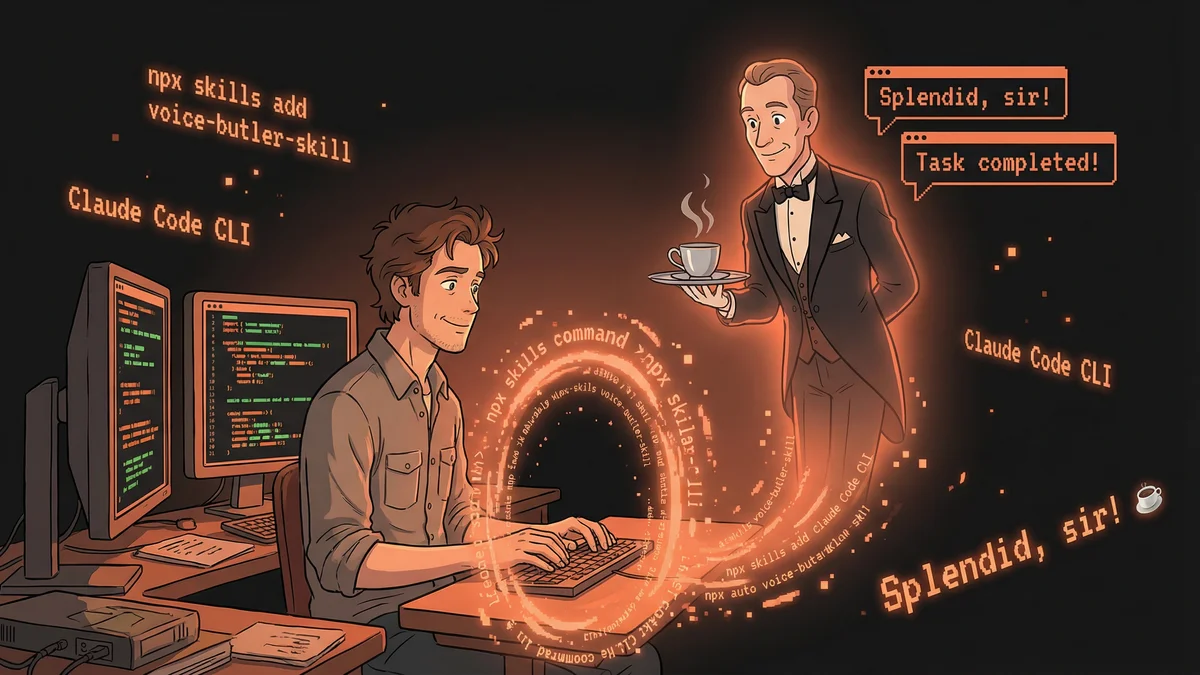
- @Sdefendre built a voice skill that makes Claude speak like a British butler — “Splendid, sir!” — when tasks finish. Code on GitHub.
- @petergyang built a video game with his 7-year-old son. Playable online, code on GitHub.
- The pattern: Claude Code turns weekend ideas into working projects. Both shared their code — one for developers, one for other parents.
Two weekend projects. Two very different vibes. Same tool.
@Sdefendre built a British butler that announces when Claude is done
The problem: You’re running a Claude Code task and… staring at the terminal. Waiting. Wondering if it’s done.
The solution: A British butler voice that politely announces completion.
“Splendid, sir!” ☕️
Steve built a unified voice skill that works with both Claude Code and OpenAI Codex CLI. When your AI finishes a task, you hear exactly what it completed — in a proper British accent.
The code is open source. Install it with one command:
npx skills add Sdefendre/voice-butler-skill@petergyang built a video game with his 7-year-old son
No fancy ambitions. Just a dad, a kid, and a weekend.
Peter Yang and his 7-year-old built “Deep Sea Hunter” — a side-scrolling underwater shooter with custom sprites, sounds, and music you might recognize.
“This is how I bond with my kid on the weekend 😅”
The game is playable online. And yes, he shared the code too — so you can remix it with your own kid.
→ Source | Play the game | GitHub
Both shared. Both different.
One became infrastructure — a voice skill anyone can install. One became a memory — a game a dad and son built together, then opened up for others to remix.
Both shipped code. The difference? Intent. Steve built for developers who stare at terminals. Peter built for his kid, then figured others might want to build with theirs too.
What would you build this weekend?